

Author: Grace Fellows
Legally Reviewed by: John Kushnick
Publish date: 13th August 2026
Can I make a motorbike accident compensation claim?
Motorcycle accidents can be devastating, causing life-changing injuries in just seconds. If you've been injured in an accident that wasn't your fault, we can make claiming motorcycle accident compensation simple and stress-free, so you can focus on your recovery.
What's included in motorcycle accident compensation?
Motorcycle accident claims can help you receive compensation for both general damages (non-financial losses) and special damages (quantifiable financial losses). Motorcycle accident compensation can include:
General damages (non-financial losses):
- Pain, suffering and emotional distress caused by the accident
- Loss of the ability to enjoy hobbies or activities you used to do, like playing sports or other leisure pastimes
- Loss of independence or lifestyle changes resulting from the injury
Special damages (financial losses):
- Loss of earnings due to your injury
- Future loss of earnings if you are unable to return to work or need to reduce your hours
- Medical and healthcare expenses, such as specialist treatment, prescriptions or therapy
- Travel costs related to treatment or recovery
- Replacement or repair of damaged gear and equipment
- Home or vehicle adaptations required because of your injury
How are motorcycle accident injuries classified?
Police forces typically classify motorcycle accident injuries into five categories:
Fatal: Injuries resulting in death.
Very serious: Covering severe injuries such as broken neck or spine, head and brain injuries, chest or crush injuries with unconsciousness or breathing difficulty, internal injuries or multiple severe injuries with loss of consciousness.
Moderately serious: Covering partial limb loss, thigh or pelvis fractures, serious chest injuries or deep penetrating wounds.
Less serious: Covering injuries like minor head wounds, deep cuts, fractures to the collarbone or arms and legs.
Slight: Covering small injury claims such as bruising, soft tissue strains or sprains, minor cuts or grazes.
Motorcyclists and their pillion passengers also face a unique set of safety and injury risks:
Lowside motorbike accidents: These occur when the rear tyre loses grip, causing the bike to slide and topple. Riders often fall onto the road, resulting in:
- Severe road rash
- Soft tissue injuries
- Bruising and broken bones
- Risk of infection from dirt-driven wounds
- Potential sliding into oncoming traffic at worst
Highside motorbike accidents: These bike crashes happen when the rear tyre suddenly regains grip after a skid, violently throwing the rider over the handlebars or off the side of the bike. These accidents can cause:
- Serious head injuries
- Arm fractures, breaks or even amputations
- Severe impact trauma
What is classified as a serious motorcycle accident injury?
A serious motorcycle accident injury is classed as one that leaves you with a significant or long-term injury, such as an amputation, head trauma or multiple injuries. If you're unsure about the seriousness of your injuries after a motorcycle accident, ask yourself the following questions:
- Have I needed, or will I need, repeated, lengthy or ongoing medical treatment?
- Will I need medical treatment in the long term or for the rest of my life?
- Have I taken long periods off work? Am I unable to return to work or unable to work in the same capacity as before?
- Do I need help and support with everyday things I used to take for granted?
If you answer yes to any of the above and are considering making a no win, no fee motorcycle injury claim, call us on and our Helpline Advisors can talk you through the claims process and, if you'd like to proceed, connect you with a specialist motorcycle accident lawyer firm.
What evidence do I need to claim motorcycle accident compensation?
Gathering evidence after a motorbike accident is essential to supporting your claim and helping your motorbike accident solicitors or legal team prove liability. This evidence includes:
- Evidence at the scene: If it's safe, take clear photos of your motorcycle, any other vehicles, your gear and the road. Include markings, signs, skid marks and debris to help show what happened.
- Camera footage: Check for any available video footage, such as CCTV, dashcams or helmet cams. Make sure this footage is saved, as it can be some of the strongest evidence in a claim.
- Third party information: You should collect the details of any other motorists involved, including their registration, vehicle type, address, phone number and insurance provider.
- Witness information: If anyone saw the accident, try to get their contact details like their name and phone number. Their account can help support your motorcycle accident claim.
- Medical details: Keep a record of all your injuries (no matter how minor) and any treatment you have received post-accident, even if this is just advice from your GP.
How much compensation could I get for a motorbike accident?
The amount of motorbike accident compensation you can receive depends on factors like the kind of injuries you have, the financial losses you've experienced and the effects the accident has had on your everyday life.
The Judicial College, part of the Ministry of Justice, sets the ranges of compensation for different types of motorcycle accident injuries, from slight to very serious. Below, we've listed the latest Judicial College guidelines for injuries commonly associated with a motorcycle accident.
Injury type | Compensation* |
Neck injuries | |
Neck (minor) | Up to £10,420 |
Neck (moderate) | Up to £50,850 |
Neck (severe) | Up to £195,970 |
Back injuries | |
Back (minor) | Up to £16,520 |
Back (moderate) | Up to £51,230 |
Back (severe) | Up to £212,670 |
Shoulder injuries | |
Shoulder (minor) | Up to £10,420 |
Shoulder (moderate) | Up to £16,870 |
Shoulder (serious) | Up to £25,370 |
Shoulder (severe) | Up to £63,450 |
Knee injuries | |
Knee (moderate) | Up to £34,600 |
Knee (severe) | Up to £127,110 |
Elbow injuries | |
Elbow (moderate or minor injury) | Up to £16,640 |
Elbow (less severe injuries) | Up to £42,290 |
Elbow (severely disabling injury) | Up to £72,440 |
Post-traumatic stress disorder (PTSD) | |
PTSD (less severe) | Up to £10,810 |
PTSD (moderate) | Up to £30,580 |
PTSD (moderately severe) | Up to £79,080 |
PTSD (severe) | Up to £133,000 |
Source: Values are from the 18th and latest edition from the Judicial College guidelines, published in April 2026.
*These figures are provided as a guide only and are not fixed. The final compensation will depend on the specific circumstances of each case, including the severity of the injury, its overall impact and the strength of the evidence. Specific whiplash injuries are valued using the whiplash tariff matrix as agreed by the UK government following the 2021 whiplash reforms.
If you're interested in finding out an estimate of what you could receive for your injury type before starting your claim, try our motorcycle accident compensation calculator.
Compensation Calculator
We’ll calculate your compensation in a few minutes.
Michael Price won £2,000 after an unexpected accident
If someone I knew had an accident and was thinking about contacting National Accident Helpline, I would recommend them to do so. I'm definitely glad I claimed.
What does the process of a motorcycle compensation claim involve and how do I start?
To start a claim for a motorbike accident, call our Helpline Advisors on or claim online today. Once you've got in touch with us, we'll listen to your story and tell you if we think you're eligible to make a motorcycle accident claim. From there we'll:
Getting started
If you're happy to proceed, we'll pass you on to a motorcycle accident lawyer or legal firm, often on the same call.
Preparation
Your legal team will begin building your motorcycle accident claim by gathering evidence and understanding exactly how the accident happened, along with the impact it's had on your life.
Negotiation
They'll then contact the person or organisation responsible for the accident, informing them of your claim and outlining your injuries and losses. You won't need to deal with the other party yourself; your solicitor will handle all negotiations on your behalf.
Receiving compensation
If your claim is successful, you'll receive a compensation settlement. Your motorcycle accident law firm will take a fee, explained to you in advance, at no more than 35%, payable only once the case is complete.
Why choose National Accident Helpline to help me with my motorcycle accident claim?
For over years_since, we've helped more than two million people injured by someone else's negligence. With this experience, we understand how complex motorcycle accidents can be - and how quickly they can cause serious, life-changing injuries. When you choose us, you benefit from:
- A no win, no fee claims process means you won't be left out of pocket if you follow the T&Cs.
- Proof that we're trusted by thousands, with an ‘Excellent' rating on Trustpilot.
- A fully regulated panel of partner solicitors registered with The Law Society in England and Wales or the Law Society of Scotland.
- Access to specialist motorcycle accident lawyers, experienced in handling complex motorbike claims.
What our clients say
David broke his wrist badly when a van knocked him off his Yamaha
David broke his wrist badly when a van knocked him off his Yamaha
"I was going down the road, quite steadily. All of a sudden, a van pulled across the road in front of me.
"When I woke up, I was lying in the road. It was about two days later that I felt I needed some help.
"National Accident Helpline asked me how I was feeling. I felt like I was in the right hands. They helped me put this all right."
Meet the team
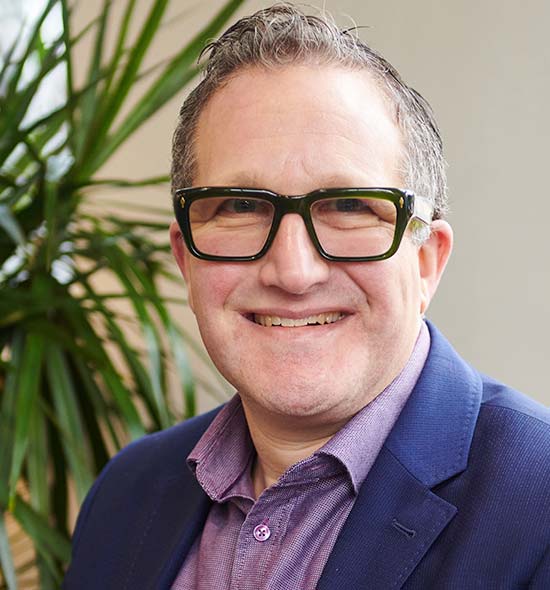
John Kushnick
Legal Director
With extensive personal injury legal and senior management experience, John oversees the optimisation of the customer journey - from the start of a claim through to final settlement.
View profileMeet the team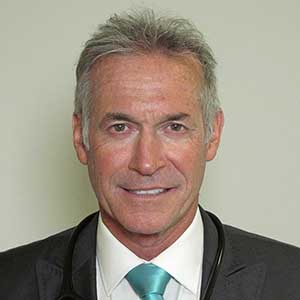
Even with the most advanced rider protection devices, the mix of metal, tarmac and speed can result in calamitous damage to the body. Rehabilitation and recovery can mean months of pain and psychological stress.
The important thing to remember is that it's OK to ask for help if things are getting to you. It's a perfectly normal response to trauma.
Dr Hilary Jones
Medical broadcaster and GPMotorcycle Accident Claims FAQs
What are the time limits for starting a motorcycle accident claim?
In most motorbike accident claims, you'll have three years from the date of the accident, or from when you first realised you were injured, to start your claim. This is known as the limitation period. Within this timeframe, your claim must either be settled, or court proceedings must begin.
There are some exceptions to how long you have to make a claim, such as when you're claiming on behalf of someone else or if you were under 18 at the time and no one claimed on your behalf.
If you're not sure whether you're eligible, call us on . Our Helpline Advisors will guide you through your options and, if you qualify, put you in touch with a specialist motorcycle accident law firm.
How long do motorcycle accident claims usually take?
The time it takes to settle a motorcycle accident compensation claim can vary widely. In straightforward cases, where liability is admitted and medical evidence is gathered quickly, it can take as little as six months to a year. The exact timeline will depend on factors including:
- The complexity of your case
- The severity of your injuries
- How long it takes to gather sufficient evidence
- If liability is disputed (the other party denies responsibility)
Rest assured, your motorbike accident solicitors or legal team will keep you in the loop at every step, so you'll always know what sort of timeframe you're likely to be looking at.
Can I make a motorcycle accident claim on behalf of someone else?
Yes, in certain circumstances, motorcycle accident claims can be made on behalf of someone else, including:
- A child under 18: A parent or guardian can act as a litigation friend. Claims must start before the child turns 18 and be settled or in court by their 21st birthday.
- Someone lacking mental capacity: A family member or guardian can act for them. There's no time limit unless they regain capacity, after which the standard three-year limit applies.
- Someone who has passed away: An executor or administrator can make a motorbike accident claim. You have three years from the date of death, or from when the accident was discovered to be the cause, to settle or start court proceedings.
Can I still claim if the motorbike accident was partly my fault?
Even if you were partly at fault, you may still be able to claim motorcycle accident compensation. In these instances, the amount may be reduced to reflect your share of the liability.
Who pays motorcycle accident compensation?
Who pays your motorcycle accident compensation depends on how the accident happened. This could include:
- Another motorist: If another driver caused your accident on a public road, their insurance company will usually pay your compensation.
- A hit and run, uninsured or untraceable drivers: If the driver is uninsured or cannot be traced, you may still claim through the Motor Insurers' Bureau (MIB). If the other party cannot be traced it is vital that you report the incident to the police.
Can't find the answer you're looking for? Visit our general FAQs page for more information.
Did you know?
In 2024, 15,952 motorcyclists were killed or injured on Great Britain's roads, including 340 deaths and over 5,400 serious injuries.
Source:Department for Transport